DeerManagers finds and examines peer-reviewed research on white-tailed deer and distills the findings into information you can use—without stripping away the science or overstating the conclusions.
We explain what researchers asked, how they conducted the study, what they found, and what those findings may—or may not—mean for hunting, habitat, and herd management.
Hunting & Behavior
Movement
Senses
Rut
Detection
Habitat & Nutrition
Forage
Timber
Fire
Food Plots
Herd Management
Population
Health
Disease
Antlers
Latest Research
New research on white-tailed deer, reviewed and condensed.
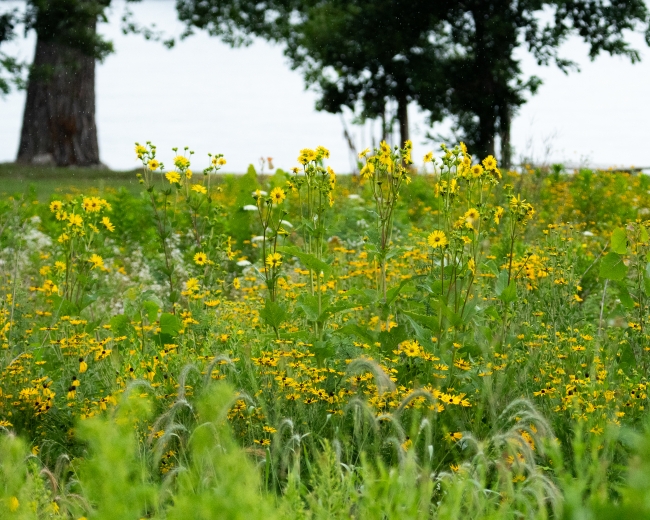
Do You Need Fertile Soil for Better Deer Forage? What a 16-State Study Found
The Big Takeaway If you have ever looked at a piece of property with poor soils and assumed it could never produce high-quality deer forage,…
Silent Carriers: CWD Prions Found in the Blood of Healthy-Looking Wild Deer
The Big Takeaway (TL;DR) Scientists have successfully detected Chronic Wasting Disease (CWD) prions directly inside the blood cells of wild, healthy-appearing white-tailed deer. Crucially, this…
The Art of Avoidance: Why a Fawn’s Field of View Beats Thick Cover Against Coyotes
The Big Takeaway (TL;DR) When it comes to surviving coyote predation, a fawn’s ability to see an oncoming predator is significantly more important than how…
The Fire Factor: How High-Frequency Burning Spikes Native Deer Forage
The Big Takeaway (TL;DR) Conducting controlled prescribed burns at tight 1-to-2-year intervals drastically maximizes the amount of high-protein native forage available to white-tailed deer. Instead…
Do You See Deer, or Do They See You? The Science of Whitetail Vision
The Big Takeaway (TL;DR) White-tailed deer see the world in a two-color spectrum, making them completely blind to red and orange color wavelengths, but incredibly…